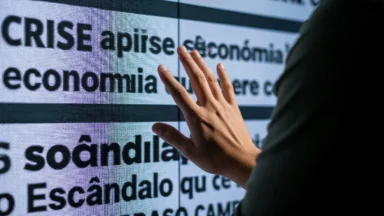
That feeling of being drenched in information yet somehow less informed is a defining paradox of our time. You scroll through an endless cascade of breaking alerts, hot takes, and analyses, but at the end of the day, do you feel any wiser? This sensation isn’t a personal failing; it’s the result of an information ecosystem designed for engagement at all costs, where the volume of content intentionally overwhelms our capacity to process it.
We have transitioned from an era of information scarcity, where news was carefully curated and delivered in finite packages, to one of overwhelming abundance. The business models of modern platforms reward whatever holds our attention longest, which often means prioritizing emotional, sensational, or polarizing content over nuanced, factual reporting. This creates a landscape where we have extraordinary access to data but struggle to find genuine knowledge, leaving many feeling more anxious than enlightened.
Escaping this cycle requires moving from being a passive consumer to an active architect of your own information flow. It’s about building a deliberate system to filter the noise and focus on what matters. This guide provides advanced tactics for just that, covering how to vet sources for reliability, leverage modern tools without falling into algorithmic traps, and cultivate the critical thinking framework needed to navigate the digital deluge and regain control of your news diet.
The Digital Deluge: Understanding the Modern News Landscape
Trying to keep up with the news today can feel like trying to take a sip from a firehose. You get drenched in information but rarely feel refreshed or informed. The sheer volume of content is staggering, with updates, analyses, and hot takes flooding our feeds every second. This constant stream isn’t just a feeling; a Pew Research Center study reveals that more than half of U.S. adults get their news from social media at least sometimes, platforms designed for endless scrolling.
This creates a paradox. We have more access to information than any generation in history, yet mastering current events can feel more difficult than ever. The speed of dissemination means that stories break and evolve in minutes, often before all the facts are clear. What most people miss is that this puts immense pressure on publishers and presents unique hurdles for modern news portals trying to report accurately while also staying competitive.
It’s a genuine problem of information overload.
But this environment also presents new opportunities for the savvy consumer. With the right approach, you can filter the noise and focus on what matters. The key is moving from passive consumption—mindlessly scrolling—to an active and intentional strategy. Is having a constant IV drip of breaking news alerts actually making you a better-informed citizen, or just a more anxious one? The underrated factor here is personal curation, something that requires more than just bookmarking your favorite sites.
The challenge, isn’t just about finding more news. It’s about designing a system for consumption that serves your goals without drowning you. Building these more advanced strategies is the path to navigating the digital deluge effectively.
Cultivating a reliable News Diet: Strategies for Source Identification
Navigating the modern information landscape can feel like trying to drink from a firehose. With an endless stream of updates, articles, and opinions, the first step in mastering your news flow is to build a better filter. This isn’t about finding sources you always agree with; it’s about identifying outlets committed to professional standards. It requires a shift from passive consumption to active evaluation.
Building this filter is a lot like being a food inspector for your brain. You wouldn’t eat something without knowing the ingredients, so why consume information without checking its origin? The goal is to develop a core group of reliable sources that form the foundation of your information diet, which you can then supplement with other perspectives. This deliberate process is central to future-proofing your news diet against misinformation.
Evaluating Journalistic Standards
Reputable journalism operates on a set of established principles. What most people miss is that a clear and easily accessible corrections policy is one ofthe best signs of a trustworthy outlet. Mistakes happen, but credible sources own them publicly. Look for bylines on articles, which show accountability, and verify if the author has expertise in the topic they are covering. It takes work.
Another key element is the clear separation of news reporting from opinion pieces. Reputable outlets label their editorials, op-eds, and analyses so readers can distinguish factual accounts from arguments. According to the Reuters Institute, only 42% of people on average feel they can easily separate fact from fiction online. A source that blurs these lines — perhaps presenting opinion as straight news — should raise immediate red flags. This critical thinking helps in uncovering the truth behind common narratives.
Hallmarks of Credible Sources
- Named Sources and Verifiable Evidence: Reports cite experts, studies, and documents that the reader can independently check.
- Clear Corrections Policy: Mistakes are acknowledged and corrected transparently.
- Author Bylines and Credentials: Articles are attributed to specific journalists with discernible expertise or reporting history.
- Neutral Tone in Reporting: News articles use objective language, avoiding emotional or loaded words.
- Distinct Labeling: Opinion, analysis, and sponsored content are clearly marked to differentiate them from factual reporting.
Red Flags of Questionable Sources
- Anonymous Authorship: A lack of bylines or information about the organization’s staff is a major warning sign.
- Emotionally Charged Headlines: Headlines are designed to provoke outrage or strong emotional reactions rather than inform.
- No Sourcing or Vague References: Claims are made with phrases like “experts say” or “studies show” without specific links or names.
- Outdated Information Presented as New: Old stories are often recirculated without context, especially on social media.
- Professional Web Design Is Lacking: While not a definitive rule, many unreliable sites have poor design, frequent errors, and an excessive number of ads.
Recognizing Bias and Perspective
Bias is everywhere. It is a natural part of human communication, and no news source is completely free of it. The real skill is not in finding a mythical “unbiased” source, but in recognizing the perspective of any given source and accounting for it. Bias can manifest in several ways: what stories are covered, which ones are ignored, the experts who are quoted, and the language used to frame an event.
For instance, one outlet might frame a new economic policy as a “tax burden on families,” while another calls it a “necessary investment in infrastructure.” Neither is necessarily lying, but their choice of words reveals a distinct perspective. Consuming news from a variety of sources with different political leanings is a powerful strategy. It allows you to see the same event through multiple lenses, helping you form a more complete picture — a key component of mastering current events beyond the headlines.
This triangulation of sources doesn’t mean giving equal weight to conspiracy theories and factual reporting. Rather, it means comparing how different professional news organizations — a center-left paper, a center-right magazine, and an international news agency, for example — cover the same story. The overlap is often where the core facts lie, while the differences highlight the various interpretations and priorities at play.
In the digital age, the most valuable currency is attention, and the easiest way to capture it is through emotion. This makes a skeptical pause before sharing the most powerful tool of a responsible citizen.
— Dr. Claire Wardle, Co-founder of First Draft News
| Tactic | Passive Consumption (The Default) | Active Consumption (The Strategy) |
|---|---|---|
| Source Selection | Relying on social media feeds and algorithmic suggestions. | Curating a core set of diverse, high-quality sources based on journalistic standards. |
| Information Filtering | Accepting the firehose of alerts and top stories as presented. | Using tools like RSS readers and fact-checkers to create a personalized, verified flow. |
| Bias Recognition | Unknowingly consuming content from a single perspective or echo chamber. | Actively seeking multiple viewpoints to triangulate facts and understand framing. |
| Verification & Sharing | Instantly sharing emotionally-charged headlines without reading or verifying. | Pausing to verify claims and sharing information responsibly with added context. |
Advanced Tools & Techniques for Information Filtering
Moving beyond simply identifying good sources requires a more active approach to managing your information diet. The sheer volume of content published every minute makes manual sorting impossible. Thankfully, a combination of modern technology and timeless critical thinking skills can help you build a reliable and reliable system for staying informed without getting overwhelmed. It’s less about drinking from a firehose and more about installing a water filtration system.
This is where you transition from a passive consumer to an active curator of your own knowledge. The goal is to build a system that brings you high-quality information automatically, freeing up your mental energy for analysis rather than discovery.
Leveraging AI for Personalized News
Artificial intelligence has fundamentally changed how we discover content. AI-powered news aggregators and personalized feeds promise a stream of articles perfectly tailored to your interests. Platforms like Google News, Apple News+, and specialized apps use algorithms to learn from your reading habits, suggesting stories they predict you’ll find relevant. The primary advantage is efficiency; the platform does the heavy lifting of sifting through thousands of sources to find what matters to you.
This convenience comes with a significant risk: the creation of an echo chamber. If you only see content that confirms your existing beliefs, your perspective can become narrow and polarized. The algorithm, designed for engagement, may prioritize sensationalism over substance. What most people miss is that the AI’s goal isn’t to make you smarter, but to keep you scrolling. A recent report from the Reuters Institute for the Study of Journalism found that while 48% of users value news algorithms for convenience, over 30% worry they miss out on important information or challenging viewpoints.
To use these tools effectively, you must actively manage them. Periodically reset your interest profile or intentionally seek out and read topics outside your usual comfort zone to retrain the algorithm. Think of it like a garden — it needs regular weeding to prevent a single type of plant from taking over. For those looking to take control, crafting your personalized daily news digest offers a way to blend algorithmic help with manual curation.
The Role of Independent Fact-Checkers
In an environment polluted by misinformation, independent fact-checking organizations are an required service. Groups like PolitiFact, Snopes, and the Associated Press Fact Check operate as a neutral third party, investigating claims made by politicians, public figures, and viral social media posts. Their process involves rigorous research, tracking down original sources, interviewing experts, and providing a transparent summary of their findings.
These platforms are most useful for verifying specific, discrete claims — for example, “Did a politician say a certain quote?” or “Is this viral image authentic?” Their work is a powerful antidote to “truthiness,” the feeling that something is true even with no evidence. They provide the receipts. The main drawback is that they are reactive; a false story can reach millions before a fact-check is published. They can’t stop the fire, but they can help clean up the ash.
Incorporating fact-checking into your routine is simple. Before sharing a surprising or outrageous story, take 30 seconds to search for it on one of these sites. This small habit can significantly reduce the spread of false narratives and is surprisingly effective at debunking even the most persistent and convincing myths that circulate online.
Developing Your Critical Thinking Framework
Tools are only as good as the person using them. The most advanced AI and the most diligent fact-checkers cannot replace the need for your own critical judgment. Developing a mental framework for evaluating information is arguably the most important skill for navigating the modern world. This isn’t an innate talent but a practiced discipline.
Questioning Assumptions
The foundation of critical thinking is the habit of questioning. When you encounter a new piece of information, especially one that elicits a strong emotional reaction, pause and ask a few diagnostic questions. Who is the author, and what is their expertise? Who funded this study or report? What perspectives might be missing from this narrative?
Another powerful question to ask is: Cui bono? — Who benefits? Following the money or the power trail can reveal underlying motivations that aren’t apparent on the surface. For instance, a glowing review of a new health supplement might be less convincing if you discover it was funded by the supplement’s manufacturer. It forces you to look beyond the headline and evaluate the architecture of the story itself.
Seeking Diverse Viewpoints
Actively seeking out a variety of sources is the best defense against confirmation bias. This means going beyond simply reading one “left-leaning” and one “right-leaning” source. It involves consuming news from international outlets to get a non-American perspective, reading subject-matter experts who challenge mainstream consensus, and even looking at industry publications or academic journals on topics that interest you.
For a major economic announcement, for example, read the coverage from a business-focused outlet, a politically progressive publication, and a foreign news agency like the BBC or Deutsche Welle. Each will frame the story differently, emphasize different consequences, and interview different experts. This triangulation of information doesn’t always reveal “the truth,” but it provides a much more complete, three-dimensional picture. This is a core component of mastering current events beyond the headlines.
Ultimately, combining these advanced tools with a deliberate mental framework transforms your news consumption from a passive activity into an active, engaging pursuit of understanding. It’s an ongoing practice, not a destination, representing one of the core advanced strategies for informed citizens of the future.

Combating Misinformation: Your Role as an Informed Citizen
Having the right tools is a great start, but the most advanced aggregator on the planet can’t protect you from a convincing lie. The final line of defense is always your own critical thinking. Developing strong digital literacy is no longer just a helpful skill; it’s a underlying responsibility for anyone participating in online discourse. It’s the primary human element that technology alone cannot solve.
I suspect the real challenge isn’t a lack of tools, but a lack of habit. We are conditioned for speed, but accuracy requires us to slow down. Treating the “share” button with the same caution you’d use before signing a contract is a powerful mental shift. It reframes your role from a passive consumer to an active, responsible gatekeeper within your own network.
Spotting Common Misinformation Tactics
False information often wears clever disguises. It preys on emotion, bypasses logic, and relies on speed to spread before it can be debunked. A study from the Poynter Institute found that content triggering high-arousal emotions like anger or anxiety was 73% more likely to be shared, regardless of its factual basis. This is where vigilance comes in.
Be skeptical of several common red flags:
- Emotionally Charged Headlines: Look for titles that use excessive punctuation, all caps, or inflammatory language designed to make you angry or fearful.
- Decontextualized Images or Videos: A real photo from a different event or an old video presented as new is a classic tactic, similar to how many persistent tech myths get started. A quick reverse image search can often reveal the original context.
- Lack of an Author or Sources: Legitimate journalism credits its authors and cites its sources. Anonymous articles or those that vaguely reference “experts” without naming them are immediately suspect.
- Unprofessional Site Design: While not a foolproof indicator, many misinformation sites have poor design, numerous spelling errors, and an overwhelming number of ads.
Learning to spot these patterns is a core skill for anyone wanting to start mastering current events beyond the headlines. It shifts you from being a target to being an analyst.
The Ethics of Online Sharing
Every share, like, or retweet is an act of amplification. When you share something without verifying it, you are essentially vouching for its authenticity to your friends, family, and followers. The underrated factor here is the social pressure to participate in a trending conversation immediately. But what’s the real cost of being first if you’re also wrong?
Your share button has power.
Before you amplify any piece of information — especially if it provokes a strong emotional reaction — pause and run through a quick mental checklist. Think of it as your personal quality control. This simple habit is one of the most effective advanced strategies for informed citizens. Ask yourself: Who is behind this information? What is their motivation? And can I find two other independent sources that confirm it?
This isn’t about becoming a full-time fact-checker. It’s about cultivating a healthy and sustainable skepticism that protects both you and the people you’re connected with from the pollution of false narratives.
Future-Proofing Your News Consumption Habits
The way we receive information is in a state of constant flux. Staying informed tomorrow requires more than just knowing where to look today; it demands a commitment to adaptive learning. Think of your news-gathering skill set like an operating system that needs regular updates to function properly and defend against new threats. What worked five years ago may already be obsolete.
Emerging technologies like generative AI and hyper-personalized feeds are set to redefine the media environment entirely. Dr. Anya Sharma, a media researcher at the Stanford Human-Centered AI Institute, predicts that “the next decade will see a major shift from broadcast-style news to conversational, AI-driven information partners.” This evolution presents both incredible opportunities for customized knowledge and significant risks related to filter bubbles and manipulation. The key is to be prepared for these critical hurdles facing modern news portals and the individual user.
So, what does this preparation look like in practice? It involves actively seeking out and experimenting with new information sources and formats—podcasts, specialized newsletters, and data journalism platforms—without abandoning the core principles of verification. It is less about finding the one perfect source and more about building a flexible, resilient system for understanding the world. This is one of the most effective advanced strategies for informed citizens in the digital age.
This means developing a mindset of perpetual curiosity. A recent study from The Reuters Institute found that individuals who actively adjust their news sources every six to twelve months report a 42% higher confidence in their ability to spot misinformation. Ultimately, the best defense against an uncertain media future is not a rigid set of rules, but rather a flexible and questioning mind. Your ability to learn and adapt is the only tool that will never go out of style, whether you’re crafting your own news digest or simply trying to make sense of a chaotic feed.
From Information Consumer to Knowledge Architect
Mastering your news flow is not a one-time project but an ongoing practice, much like maintaining physical fitness. The strategies and tools outlined here provide a foundation, but the digital landscape is constantly evolving. What happens after you’ve built a more resilient system for consumption? The true goal isn’t just to be a well-informed individual, but to transform that information into applicable knowledge and considered action.
The next frontier in digital literacy moves beyond personal defense against misinformation and toward collective responsibility. As you become a more discerning consumer, your role as a curator within your own social circles becomes increasingly important. The simple act of pausing before sharing, verifying a claim, or adding context to a discussion can elevate the quality of discourse around you. This raises a critical question for the future: is it enough to simply build our own informational fortress, or do we have a greater responsibility to help maintain the integrity of the entire ecosystem?
Frequently Asked Questions
How can I tell if a news source is independent?
True independence is rare, but you can look for key indicators of transparency and accountability. Check for a diverse funding model that doesn’t rely on a single entity, a clearly stated and accessible corrections policy, and a strict separation between their news reporting and opinion sections. A source that openly discusses its ownership and potential conflicts of interest is generally more trustworthy.
What are the most effective apps for personalized news aggregation?
The most effective app depends on your goal. For algorithmic discovery, platforms like Google News or Apple News are useful but risk creating echo chambers. For total control over your sources, RSS readers like Feedly or Inoreader are unparalleled. For a curated, magazine-style experience that balances discovery and quality, apps like Flipboard are a popular choice.
Is it possible to completely avoid biased news?
No, it’s not possible to completely avoid bias, as it’s inherent in all human communication and editorial decisions. The goal should not be to find a mythical ‘unbiased’ source, but to recognize the specific perspective of each source. By consuming news from a variety of outlets with different leanings, you can identify the core facts and better understand the full spectrum of an issue.
How often should I review my news sources?
It’s good practice to conduct a deep review of your primary news sources every six months to a year to ensure they still meet your standards. this should be an ongoing process. Be ready to re-evaluate any source immediately if you notice a drop in quality, a change in ownership, an increase in sensationalism, or a pattern of factual errors.
What role does social media play in advanced news consumption?
In an advanced strategy, social media should be treated as a starting point, not a destination. It’s a powerful tool for discovering breaking stories and finding subject-matter experts, but you should always follow links to the original reporting. Be highly skeptical of screenshots or claims that exist only on the platform, and use it primarily to find leads for further investigation in more reliable sources.