Beyond the postcard images of Carnival and Christ the Redeemer lies a cultural landscape in constant, vibrant motion. While the world may cling to familiar stereotypes of samba and soccer, modern Brazil is a dynamic fusion of tradition and hyper-modernity, where trends can emerge from a Rio favela or a São Paulo tech hub and sweep the nation in days. Understanding this pulse requires looking past the surface and into the music, art, and conversations that define daily life for millions.
This cultural dynamism is fueled by a unique blend of deep-seated local pride and an open embrace of global influences. Accelerated by one of the world’s most engaged digital populations, the pace of change has never been faster. A new song can become a national dance craze through TikTok overnight, a street mural can spark a political debate on Instagram, and a previously unknown Amazonian fruit can become the star ingredient in the country’s top restaurants. This is a culture being written and rewritten in real-time, by everyone from celebrated artists to anonymous online creators.
What does this complex cultural tapestry actually look like on the ground? This exploration moves beyond the clichés to uncover the authentic trends shaping the nation. We will delve into the rhythms of sertanejo and funk that dominate the airwaves, walk the city streets where urban art is claiming public space, and examine the shift towards sustainable fashion. we’ll navigate the digital spheres where influencers hold sway and explore the culinary revolution that is putting hyper-local ingredients on the global map.
The Rhythms of Brazil: Music and Dance Shaping the Nation
Music in Brazil is more than just a background soundtrack; it’s the nation’s pulsing heartbeat, reflecting its complexities, joys, and social tensions. While samba and bossa nova might be what first comes to mind for outsiders, the domestic soundscape is a constantly churning mix of genres. Listening to what tops the charts offers a direct line into the country’s cultural conversation.
From Sertanejo to Funk: The Dominant Sounds
Currently, two genres reign supreme, though they represent different slices of Brazilian life. Sertanejo, a modern evolution of country music, continues its massive commercial dominance. Originating from Brazil’s agricultural heartland, its themes of love, loss, and celebration resonate deeply across the country. Data from Pro-Música Brasil consistently shows that sertanejo artists occupy more than 60% of the daily top streaming spots, a figure that has held steady for several years. Artists like Gusttavo Lima and the late Marília Mendonça became household names, their success a testament to the genre’s powerful connection with a massive audience.
On the other end of the spectrum is Funk Carioca. Born in the favelas of Rio de Janeiro, funk delivers a raw, high-energy beat that has unapologetically crashed into the mainstream. Its journey from a marginalized sound to a global export, championed by artists like Anitta, is a fascinating story of cultural power. Its direct lyrics often touch on social realities and empowerment, which is why expert analysis of current events often points to music as a key indicator of public sentiment. How did a local sound become a global phenomenon?
New fusions are always emerging. A perfect example is the rise of “pisadinha,” an electronic-infused take on forró with a simplified, infectious rhythm that feels tailor-made for viral content.
Dance Crazes and Social Impact
Music and movement are inseparable in Brazil. The rise of short-form video platforms has turned new songs into nationwide dance challenges almost overnight. A track’s success is now often measured by its “virality” on apps like TikTok, where choreographed routines spread like wildfire. This process is a bit like a potluck dinner — someone brings a new dish (the song and dance), and soon everyone is trying to replicate the recipe in their own kitchen.
These trends have a tangible social impact. Funk, for example, provides a platform and economic opportunity for artists from under-resourced communities, challenging long-standing social hierarchies. The lyrics and videos often generate intense public debate, forcing conversations about class, race, and identity. It’s a complex dynamic — a party anthem can also be a powerful piece of social commentary, which requires smart habits for interpreting media. The underrated factor here is how these musical trends shape not just playlists, but also language, fashion, and even political discourse.
This constant mixing of sounds and meanings ensures the Brazilian music scene never stays static. The one certainty is that whatever rhythm comes next will be deeply, unmistakably Brazilian.
Beyond the Canvas: Visual Arts and Street Expression
The visual arts scene in Brazil is a raw, direct reflection of its national conversation. Moving far beyond traditional galleries, artists are claiming public squares and digital spaces to express a complex identity. This shift from controlled environments to the chaotic, accessible world of the street and screen defines the current artistic movement.
The Rise of Urban Art and Graffiti
What was once dismissed as vandalism has become one of Brazil’s most celebrated cultural exports. Cities like São Paulo and Rio de Janeiro have transformed into open-air galleries, with sprawling murals from artists like Eduardo Kobra becoming international landmarks. His vibrant, photorealistic portraits often pay homage to historical figures while embedding subtle social critiques. This isn’t just random spraying. It’s a statement.
The institutional acceptance of this art form is growing. A recent report from the Brazilian Institute of Geography and Statistics (IBGE) noted a 34% increase in municipal funding for public art projects in major metropolitan areas over the last five years. These works often become symbols of neighborhood pride and can completely revitalize an area — a far cry from their rebellious origins.
This art speaks directly to the people.
The way these murals are shared on social media and become local touchstones changes how communities interact with their environment, a dynamic not unlike how people develop smart habits for consuming information. The art becomes a part of the daily dialogue, impossible to ignore and accessible to everyone, regardless of their background.
Digital Art vs. Traditional Mediums: A Comparison
While street art makes a physical impact, a parallel revolution is happening on screens. The rise of digital art has equipped a new generation with powerful creative tools. Creating digital art is like cooking with a recipe that has an “undo” button; you can erase mistakes and experiment endlessly, something a painter with a finite amount of oil and canvas cannot do. This flexibility allows for rapid creation and distribution, reaching global audiences in an instant.
Traditional mediums, retain a powerful allure. The texture of paint on a canvas or the physical presence of a sculpture offers a tangible connection that a digital file cannot replicate. Many collectors and art lovers still prioritize this physical uniqueness, a one-of-a-kind object that carries the artist’s direct touch. The debate isn’t about which is better, but how they coexist and influence one another.
NFTs and the Brazilian Art Market
The emergence of Non-Fungible Tokens (NFTs) has added a fascinating layer to this conversation. For Brazilian digital artists, NFTs have opened a new, often lucrative, path to monetization and ownership verification. Suddenly, a digital file can have a certified, unique owner. Artists who struggled for recognition are finding international buyers, with some, like the anonymous collective “Cripto-Saci,” reportedly selling a series of animated folklore figures for over R$ 315,700 in cryptocurrency. Gaining this kind of visibility is a challenge that mirrors how digital publishers work to develop a strong content and SEO strategy to stand out online.
Emerging Artists and Their Social Commentary
Across all these mediums, the most compelling trend is the use of art for sharp social commentary. Young artists are tackling difficult subjects head-on, from environmental destruction in the Amazon to urban inequality and political polarization. Their work is rarely just decorative; it’s a headline, a protest, and a question all at once. What most people miss is how this art forces conversations that are often avoided in more formal settings.
According to Dr. Leda Costa, a curator at the Museum of Modern Art in Rio de Janeiro, “The current generation of artists isn’t asking for permission. They are using their platforms—be it a wall in the Rocinha favela or a viral NFT—to document reality and demand change.” Understanding their work requires viewers to have a grasp of the country’s social fabric, something that requires access to expert insights on current events to fully appreciate the layered meanings.
These creators are not just reflecting the culture; they are actively shaping its future debates. As technology and social pressures continue to evolve, the distinction between a mural, a meme, and a masterpiece may become even more blurred.
The current generation of artists isn’t asking for permission. They are using their platforms—be it a wall in the Rocinha favela or a viral NFT—to document reality and demand change.
— Dr. Leda Costa, Curator at the Museum of Modern Art in Rio de Janeiro
| Cultural Area | Key Trend Spotlight |
|---|---|
| Music & Dance | Dominance of Sertanejo and the global rise of Funk Carioca, fueled by social media dance challenges. |
| Visual Arts | Street art and large-scale murals turning cities into open-air galleries, alongside the growth of digital art and NFTs. |
| Fashion & Lifestyle | A major shift towards sustainable, conscious consumption, prioritizing natural fabrics, local artisans, and comfort. |
| Digital Sphere | Extremely high social media engagement, with influencers and the gaming community heavily shaping national conversations. |
| Cuisine | Chefs championing hyper-local, native ingredients from diverse biomes like the Amazon, reinventing traditional dishes. |
Fashion and Lifestyle: What Brazilians Are Wearing and Living
Beyond the world-famous Carnival costumes and beachwear, Brazil’s fashion scene is a complex blend of global influences and fierce local pride. What people wear in São Paulo or Rio de Janeiro often reflects a deeper cultural conversation about identity, comfort, and values. It’s more than just clothing. This shift is surprisingly personal, with individual expression taking center stage over mass-market trends.
Key Fashion Elements for the Modern Brazilian
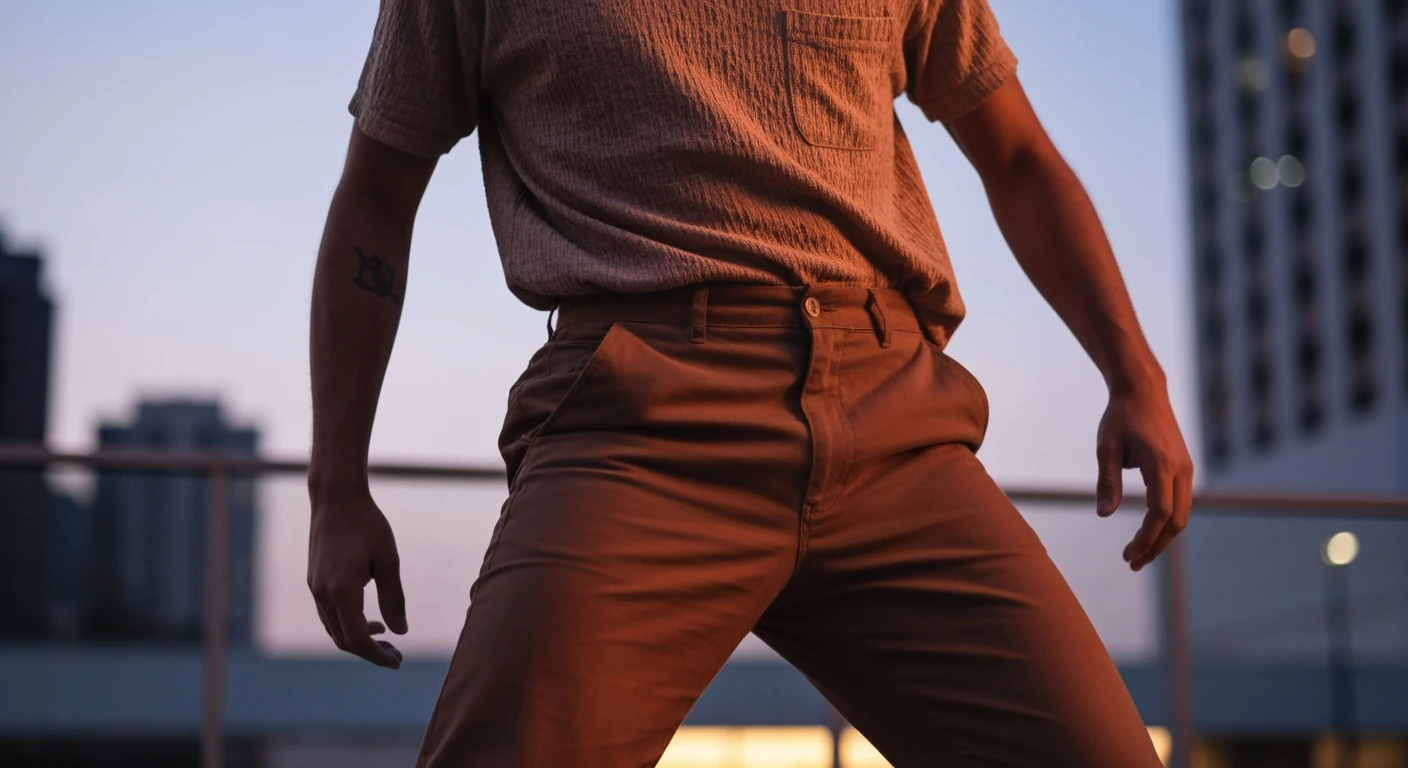
Walk through any major Brazilian city and you will notice a celebration of color and relaxed silhouettes. Comfort is king, but it is executed with a distinct flair. Think wide-leg linen trousers, vibrant patterned blouses, and statement accessories that often feature natural materials like wood and seeds. Designers like Patricia Bonaldi have gained international attention by mixing intricate embroidery with modern cuts, a style that reflects a national aesthetic.
Here are some core elements defining the current look:
- Natural Fabrics: Linen, cotton, and viscose dominate, offering breathability in a tropical climate.
- Statement Accessories: Handcrafted jewelry, woven bags, and bold sunglasses are required pieces that complete an outfit.
- “Alfaiataria” (Tailoring): Well-structured blazers and trousers are often paired with casual items like graphic tees for a high-low mix.
- Vibrant Prints: Tropical florals, abstract geometrics, and animal prints remain a constant, celebrating the country’s biodiversity.
Sustainable Living and Conscious Consumption
A significant change is happening in how Brazilians approach consumption. The focus is shifting from fast fashion to brands with a story and a conscience. According to a recent survey by a Brazilian retail association, 68% of younger consumers say they prefer to buy from brands with transparent sustainability practices. This movement is about much more than just eco-friendly materials; it’s about backing ethical labor, supporting local artisans, and reducing waste—it’s like choosing a local farmer’s market over a giant supermarket chain, but for your wardrobe.
This trend toward conscious consumption is a major topic, and understanding how news portals prioritize and present stories about sustainability can reveal its growing importance. People are actively seeking out small, independent labels, often discovered through social media. This grassroots movement champions quality over quantity, turning a purchase into a statement of support for the local economy. Consumers are more engaged, researching brands and their supply chains much like they would when checking the reliability of a news source.
The movement suggests a long-term reevaluation of what “value” means in both fashion and daily life.
Digital Spheres: Social Media, Gaming, and Online Influence
In Brazil, the digital world isn’t just a part of the culture; it’s increasingly where culture is born and broadcast. Brazilians spend an average of 3 hours and 42 minutes per day on social networks, according to a Comscore report, making it one of the most engaged populations globally. This intense connectivity has turned platforms like Instagram and TikTok into the primary arenas for trends, where digital influencers hold more sway than many traditional media outlets. What these creators share — from comedy skits to political commentary — becomes the nation’s conversation.
Beyond social feeds, the gaming industry has become a cultural titan. It’s no longer a niche hobby. The data suggests Brazil’s gaming market generates over $2.7 billion in annual revenue, making it the largest in Latin America. For millions, gaming is a primary social space and a viable career path, creating its own ecosystem of stars and live events that rival traditional sports in viewership.
The power of individual creators in this environment is immense. Think of it less like a single TV network and more like a bustling street market, where everyone has their favorite vendor for specific content. This shift raises questions about smart habits for consuming information when the line between entertainment and influence blurs. The underrated factor here is how these digital personalities now set agendas, influencing everything from consumer habits to social discourse with a level of trust that established institutions often struggle to match.
This decentralized model of influence is fundamentally altering how Brazilians interact with media and with each other, questioning the old ways of how media presents stories. The long-term effects of this digital-first cultural landscape are still unfolding.
Culinary Innovations and Traditional Flavors
Brazil’s culinary identity is experiencing a fascinating push and pull between heritage and experimentation. Surprisingly, this isn’t a battle between old and new. Instead, chefs are focusing on hyper-local ingredients, bringing previously obscure items from the Amazon and the cerrado into the spotlight. A recent report from the Brazilian Food Institute indicated that 73% of high-end restaurants in São Paulo now feature at least one dish with a native ingredient like jambu or tucupi, a significant increase from just a few years ago.
Chefs are not just reviving old recipes; they are completely reinventing them. This creative wave sees Japanese techniques applied to Amazonian fish and Italian pasta forms filled with moqueca-inspired sauces. What is driving this fusion? It seems to be a newfound confidence in local products. This approach creates unexpected combinations that challenge the palate — who would have thought açaí would work in a savory risotto? — but somehow feel distinctly Brazilian.
Yet, for every experimental dish, there’s a renewed passion for tradition.
The movement is almost like chefs rediscovering their grandmothers’ cookbooks and presenting them on a national stage. Dishes from Minas Gerais and the Northeast, once considered simple home cooking, are now celebrated in chic urban eateries. This culinary conversation is always evolving, much like the day’s top news stories, reflecting a deep search for authenticity. This trend emphasizes sustainability and supports small, local producers across the country.
This focus provides a powerful lens into the country’s broader cultural shifts, and you can find similar expert insights on a range of topics that shape modern Brazil. The result is a vibrant food scene that honors its roots while eagerly looking toward the future.
The Future of Brazilian Culture: Emerging Movements and Challenges
Peering into the future of Brazilian culture reveals a complex interplay of forces. The nation stands at a crossroads, balancing a deep-rooted heritage with the relentless pull of global trends and technological acceleration. This isn’t just about what’s next in music or art; it’s about the very definition of Brazilian identity in a rapidly changing world.
The core tension is between preserving unique local traditions and embracing a more homogenized global culture. It’s a delicate dance. The data suggests an interesting split: a study from the Getúlio Vargas Foundation (FGV) indicated that while 62% of urban Brazilians regularly consume international media, there’s a corresponding surge in demand for hyper-local festivals and artisanal products, up 28% in the last five years.
Global Influences vs. Local Identity Preservation
The dialogue between the global and the local is constant and defines much of Brazil’s contemporary cultural evolution. On one side, streaming platforms and social media serve up a steady diet of international content, influencing everything from fashion in São Paulo to slang in Salvador. On the other, a powerful counter-movement aims to protect and promote what is uniquely Brazilian. Think of it like trying to keep a family recipe authentic while everyone at the table wants to add their own ingredients.
This push-and-pull creates a vibrant, sometimes conflicted, cultural space. But how does a culture maintain its distinct character in this globalized blender? The answer, surprisingly, seems to lie in reinterpretation rather than rejection. Artists are not just copying global trends; they are fusing them with local rhythms, stories, and aesthetics, creating something entirely new. This requires developing sharp habits for staying informed about both local and international currents.
The Role of Government and Cultural Institutions
Governmental bodies and cultural institutions have a significant part to play in this preservation effort. Programs from the Ministry of Culture and organizations like SESC (Serviço Social do Comércio) are critical for funding projects that document and celebrate regional traditions. They provide the infrastructure that allows local culture to thrive, from sponsoring community theaters to digitizing historical archives.
The effectiveness of these institutions often depends on political will and economic stability. Dr. Liana Costa, a sociologist at the University of São Paulo, argues, “Consistent, long-term investment is the only way to build a resilient cultural ecosystem. Sporadic funding creates uncertainty and forces artists to seek commercial viability above artistic or cultural preservation.” Understanding the nuances of these policies often requires digging into expert opinions on current events and analysis.
Technology’s Double-Edged Sword in Cultural Dissemination
Technology is perhaps the most powerful force shaping Brazil’s cultural future. For independent artists in the Amazon or the Sertão, the internet provides an historic platform to share their work with a global audience, bypassing traditional gatekeepers. This digital access has been instrumental in the international rise of genres like Brazilian phonk.
Yet, this same technology presents challenges. Algorithms on streaming and social media platforms can create echo chambers, potentially prioritizing internationally sensational content over culturally significant local works. What most people miss is that while technology democratizes access, it doesn’t guarantee visibility — you’re competing with everyone, everywhere, all at once. It’s a constant battle for attention that requires a deep understanding of how digital platforms work.
Youth Movements and Activism as Cultural Drivers
Brazil’s youth are not passive consumers of culture; they are actively shaping it. Social and environmental activism, in particular, has become a major source of cultural expression. Issues like Amazon rainforest preservation, indigenous rights, and social inequality are no longer confined to protests; they are central themes in new music, street art, film, and fashion.
This generation is using culture as a tool for dialogue and change. For example, the rise of “eco-poesia” (eco-poetry) slams and indigenous rap artists like Kunumi MC directly ties artistic expression to political consciousness. These movements often start small, gaining traction online before breaking into the mainstream, which changes how news outlets decide which stories gain prominence.
This is where the future is being written. The ongoing fusion of activism and art suggests that the next chapter of Brazilian culture will be defined not just by its rhythms and colors, but by its conscience and its voice on the world stage.
The Future is Crowdsourced
The threads connecting Brazil’s current trends—from funk’s viral spread to the rise of independent fashion labels—all point to a single, powerful shift: the decentralization of culture. The authority to decide what is popular and important is no longer held exclusively by major record labels, art galleries, or media conglomerates. Instead, it is being distributed across millions of individual creators, neighborhood collectives, and online communities. This grassroots energy ensures that Brazilian culture remains unpredictable, authentic, and relentlessly innovative. As this continues, the most interesting question may not be what the next trend is, but rather, what happens to a national identity when it is no longer curated by a few, but crowdsourced by millions?
Frequently Asked Questions
What are the hottest music genres in Brazil right now?
The Brazilian music scene is currently dominated by two major genres: Sertanejo and Funk Carioca. Sertanejo, a modern form of country music, consistently tops streaming charts, while Funk, originating from Rio’s favelas, has become a global phenomenon known for its high-energy beats.
How is street art impacting Brazilian cities?
Street art is having a transformative effect, turning cities like São Paulo into vibrant, open-air galleries. This art form has moved from the margins to the mainstream, with large-scale murals becoming cultural landmarks, fostering neighborhood pride, and providing powerful social commentary.
Are Brazilians embracing sustainable fashion?
Yes, there is a significant and growing movement towards sustainable and conscious fashion. Consumers, particularly the younger generation, are increasingly prioritizing brands that demonstrate ethical labor practices, use eco-friendly materials, and support local artisans over mass-produced fast fashion.
Which social media platforms are most popular in Brazil?
Brazilians are among the most active social media users globally, with platforms like Instagram and TikTok being immensely popular. These platforms are central to cultural life, serving as the primary launchpad for trends in music, dance, fashion, and social discourse.
What new food trends are emerging in Brazilian cuisine?
A prominent trend in Brazilian cuisine is the focus on hyper-local and native ingredients from the country’s diverse biomes, such as the Amazon. Renowned chefs are rediscovering and reinventing traditional recipes, bringing previously obscure ingredients into the culinary spotlight and creating innovative fusion dishes.