
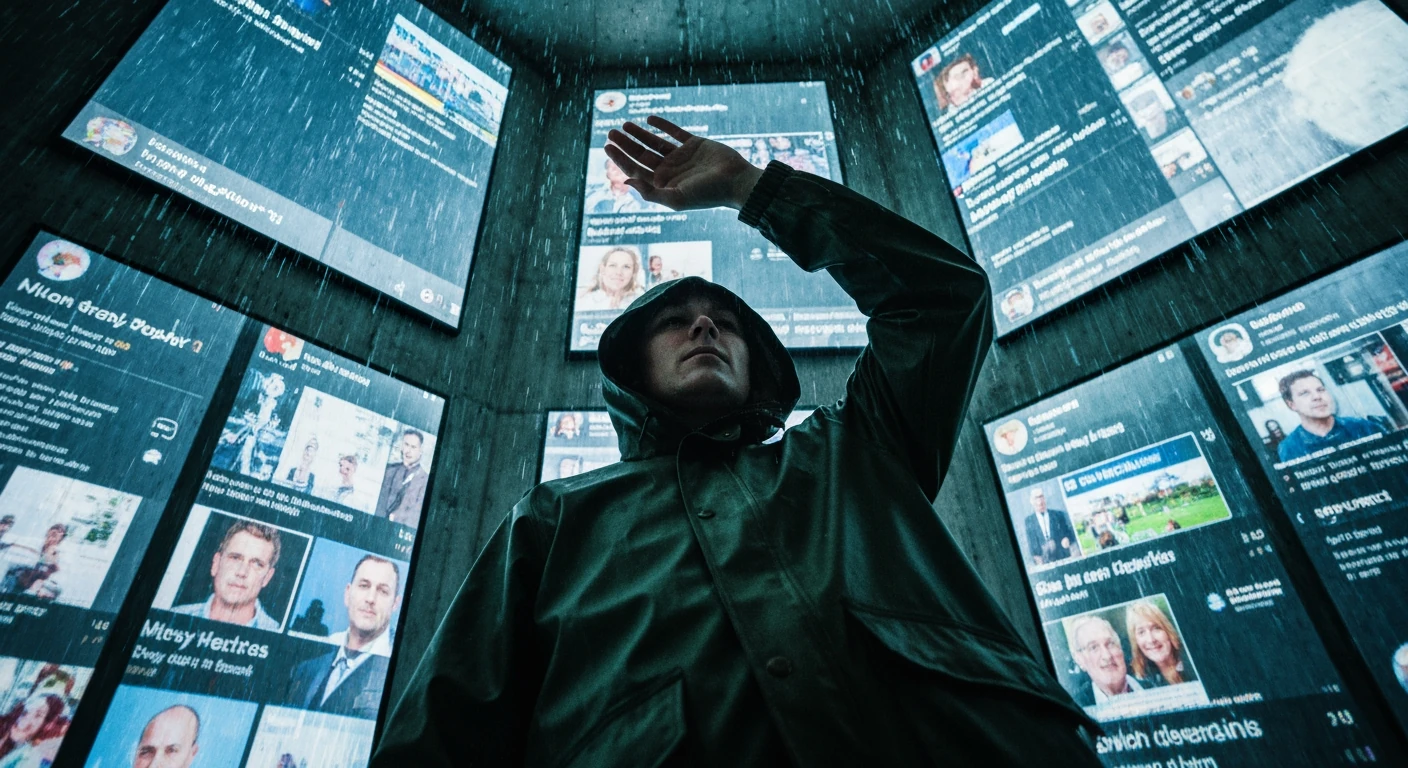
That phantom buzz in your pocket, the constant pull to refresh a news feed—these are the subtle symptoms of a modern condition. We live in an age of historic access to information, where every global event and local incident is delivered to our screens in real-time. While staying informed feels like a civic duty, the sheer volume has transformed from a gentle stream into a relentless firehose, leaving many feeling anxious, exhausted, and paradoxically, less clear about the world than ever before. This is the reality of information overload, and its costs are far greater than just lost time.
The shift from the curated evening news broadcast to a 24/7, algorithm-driven cycle was not accidental. It was engineered for engagement, not enlightenment. News outlets and social media platforms compete for fractions of our attention, often prioritizing speed, sensationalism, and emotional reaction over depth and context. This has created a media landscape where outrage travels faster than truth and the pressure to be constantly connected fuels a cycle of stress and cognitive fatigue. The result is a population drowning in data but starved for wisdom.
So, how do we navigate this digital deluge without disconnecting entirely? This article delves into the hidden psychological and productivity costs of chronic news consumption, moving beyond the obvious to explore its impact on our focus, decision-making, and even our personal relationships. More importantly, it provides a practical, step-by-step guide to curating a healthier news diet. It’s time to stop being a passive consumer and start becoming a mindful, intentional curator of the information that shapes our lives.
The Modern Deluge: Why We’re Drowning in Information
That persistent buzz in your pocket signaling yet another “breaking news” alert is a feeling most of us know well. It’s a constant stream of updates, opinions, and events demanding our attention. This phenomenon is known as information overload, a state where the sheer volume of input exceeds an individual’s capacity to process it. The data suggests—though not conclusively—that this is more than just a feeling. A study from the University of California, San Diego, estimated that the average American consumes over 34 gigabytes of information daily. That’s an overwhelming amount by any measure.
This isn’t an accident; it’s the result of a basic shift in how we receive news.
The Always-On News Cycle
The era of the morning newspaper and the scheduled evening broadcast has been completely replaced by a relentless, 24/7 cycle. Digital news outlets and cable channels compete to be first, filling every moment with updates, analysis, and speculation. This creates a powerful sense of urgency, making us feel that if we look away for even an hour, we might miss something significant. Trying to keep up is like attempting to drink from a firehose; the flow is simply too powerful to manage effectively.
The pressure to constantly publish also changes how news portals prioritize stories, often favoring speed over depth. This cycle feeds a feeling of anxiety and a need to stay perpetually connected, even when the updates are minor or repetitive. What most people miss is that this constant churn doesn’t necessarily make us more informed.
Social Media’s Amplifying Effect
If the 24/7 news cycle is the firehose, social media is the system of sprinklers spraying it in every direction. Platforms like Facebook, Instagram, and X (formerly Twitter) have become primary news sources for a significant portion of the population. Their algorithms are not designed to inform but to engage. What does that mean for your news feed? It means content that provokes a strong emotional reaction—often outrage or fear—is pushed to the top, regardless of its accuracy or importance.
This creates an echo chamber where nuanced perspectives are lost and extreme views are amplified. Professional journalism now competes with viral memes, unverified claims, and emotionally charged posts from friends and influencers. You can easily fall down a rabbit hole of endless scrolling—a habit now commonly known as “doomscrolling”—without any real gain in understanding. Developing smart habits for informed citizens is one way to counteract this algorithmic pull. Ultimately, the fusion of constant news with engagement-driven algorithms has created a perfect storm for information anxiety, leaving many to wonder about the true cost of staying connected.
The Psychological Toll: How News Overload Impacts Our Minds
Constantly refreshing our news feeds feels like a modern civic duty, a way to stay informed and engaged. But the continuous stream of information, especially when it’s overwhelmingly negative, comes at a significant psychological cost. Our brains, not originally wired for this level of data input, can begin to show signs of strain. The subtle erosion of our mental well-being is one of the most underrated consequences of the digital age.
Fueling Anxiety and Stress
The human brain is naturally drawn to negative information—a survival mechanism from our evolutionary past known as negativity bias. Modern news cycles exploit this perfectly. A recent report by the American Psychological Association found that a staggering 56.7% of U.S. adults who frequently check news updates report experiencing significant stress and anxiety as a result. The constant exposure to crises, conflict, and tragedy keeps our sympathetic nervous system on high alert.
This creates a low-grade, chronic “fight-or-flight” state. Dr. Lena Petrov, a clinical psychologist specializing in media effects, explains that our bodies can’t distinguish between a direct physical threat and a distressing headline on a screen. “The physiological response is remarkably similar,” she notes. “Your cortisol levels rise, your heart rate increases, and your body prepares for a danger that, in a cognitive sense, never arrives but also never fully leaves.” This sustained stress can lead to irritability, mood swings, and a feeling of pervasive dread, turning expert insights on current events into personal triggers for anxiety.
The Erosion of Focus and Attention
Beyond stress, information overload directly attacks our cognitive capacity. Think of your attention span as a muscle; overuse without rest leads to fatigue and weakness. Every notification, headline, and breaking news alert acts as a small interruption, pulling your focus away from the task at hand. This constant context-switching makes it incredibly difficult to engage in deep, focused work or even relaxing activities.
This isn’t just a feeling; it’s a measurable phenomenon. Neuroscientists refer to it as cognitive fatigue. Your brain expends mental energy every time it shifts focus, and the supply is finite. What happens when that “update” button is pressed every five minutes? Eventually, your ability to concentrate plummets, your memory becomes less reliable, and you feel mentally exhausted even without physical exertion. It’s like trying to run a dozen demanding software applications on a computer with very limited RAM—everything slows down and starts to glitch.
Decision Fatigue and Apathy
One of the most surprising outcomes of being over-informed is a state of paralysis. When presented with an endless stream of complex global and local problems—from climate change to economic instability—our capacity to make decisions becomes depleted. This is known as decision fatigue. The mental energy required to process each issue, weigh its importance, and consider potential actions becomes so overwhelming that the brain’s default response is to disengage entirely.
This can manifest as a strange form of apathy. You might care deeply about an issue but feel too exhausted to read another article, sign another petition, or even form a coherent opinion. It’s a protective mechanism against being completely overwhelmed. Cultivating smarter habits for consuming information becomes required to break this cycle and reclaim your sense of agency. Without a filter, the sheer volume can make you feel powerless, leading to inaction when it matters most.
The ‘Doomscrolling’ Phenomenon
This entire cycle is often encapsulated in the term doomscrolling: the act of compulsively scrolling through endless bad news. It’s a feedback loop where anxiety drives you to seek information for a sense of control, but the information you find only generates more anxiety. The algorithms that power social media and news aggregators are a key part of this trap—they are designed to show you more of what you engage with, creating a personalized echo chamber of distress.
What many people miss is how these platforms operate behind the scenes. Understanding how news portals decide what you see reveals a system optimized for engagement, not for your mental well-being. This creates a situation where the most shocking or frightening content is often amplified, making the world seem far more dangerous than it might actually be. Breaking free requires a conscious effort to question the feed and, sometimes, to simply turn it off.
The physiological response is remarkably similar. Your cortisol levels rise, your heart rate increases, and your body prepares for a danger that, in a cognitive sense, never arrives but also never fully leaves.
— Dr. Lena Petrov, Clinical Psychologist
| The Problem | The Solution |
|---|---|
| Relentless 24/7 News Cycle | Schedule specific, limited times to “pull” news updates. |
| Algorithmic Amplification & Echo Chambers | Actively curate a small list of high-quality, diverse sources. |
| Anxiety, Stress, and “Doomscrolling” | Audit your sources and identify your personal emotional triggers. |
| Cognitive Fatigue from Constant Interruptions | Turn off all non-essential push notifications from news and social apps. |
| Decision Paralysis and Apathy | Prioritize deep-dive analysis and long-form content over superficial headlines. |
Beyond the Headlines: Impact on Personal Productivity and Relationships
The psychological cost of information overload extends directly into our daily lives, particularly affecting productivity news consumption. The constant stream of notifications and breaking news headlines acts like a leaky faucet for your attention span. Each time you glance at an alert, you lose focus on the task at hand. A report from the University of California, Irvine, found it can take over 23 minutes to fully regain concentration after a single digital interruption. Your brain isn’t multitasking; it’s just switching tasks poorly.
This constant distraction creates a perfect environment for procrastination. The underrated factor here is the illusion of being productive while simply consuming information. You feel informed, but you haven’t actually accomplished anything on your to-do list. Developing smart news consumption habits is necessary for effective time management.
This emotional drain also spills over into our personal connections. When news dominates our thoughts, it inevitably dominates our conversations, often steering them toward anxiety-inducing topics. How can you be present for your loved ones when part of your mind is occupied by a crisis thousands of miles away? The constant exposure to negative events can leave you with little emotional energy for the people right in front of you — a significant factor in the relationships news impact.
Ultimately, the challenge isn’t just about the time lost but the quality of that time. Replacing meaningful interaction and deep work with passive scrolling changes the texture of our days, often without us even noticing the shift in how we engage with our own lives and the analysis of current events we discuss.
Strategies for a Healthier News Diet: A Practical Checklist
Recognizing the problem is the first step, but reclaiming your time and mental energy requires a deliberate plan. To avoid news overload, you must shift from being a passive recipient to an active curator of information. This isn’t about becoming uninformed; it’s about becoming more intentionally informed. It is a vital change.
The process is similar to adjusting your physical diet. You start by looking at what you currently consume and then make conscious choices to replace the junk food with more nourishing options. What most people miss is that the quality of information matters far more than the quantity. A few well-understood stories are more valuable than a hundred skimmed headlines.
Step 1: Audit Your Current Habits
Before changing anything, you need a clear picture of your starting point. For one week, track your news consumption without judgment. A recent report from the Digital Wellness Initiative suggests that people who actively monitor their habits reduce their passive screen time by an average of 27% within a month. The goal here is simply to gather data.
- Track Your Time: Use your phone’s built-in screen time tools or a dedicated app to see exactly how many minutes per day you spend on news sites and social media apps. Be honest with yourself. How many of those endless scrolls were productive?
- Identify Emotional Triggers: Keep a simple log of how you feel after reading certain types of stories or engaging with specific sources. Note which topics leave you feeling anxious, angry, or hopeless. This emotional data is just as important as the time spent.
- Map Your Sources: List every place you get news, from major portals and TV channels to social media influencers and newsletters. This exercise often reveals a surprising lack of diversity in viewpoints and highlights a dependency on algorithm-driven feeds, a key factor in developing smarter habits.
Step 2: Curate Your Sources Wisely
With your audit complete, you can begin making deliberate changes. The objective is to build a news diet that informs you without overwhelming you — the digital equivalent of cleaning out a cluttered pantry to make room for healthy essentials. This is where you take back control.
Start by unsubscribing from newsletters you never open and muting accounts that consistently raise your stress levels.
Then, build a new, leaner system:
- Choose Your “Majors”: Select two to three high-quality, in-depth sources to be your primary go-to’s. Focus on outlets that provide context and analysis rather than just breaking alerts. Learning how to start evaluating news portal reliability is a critical skill for this step.
- Switch to “Pull” Consumption: Turn off almost all news-related push notifications. Instead of letting the news interrupt your day, schedule specific, limited times to “pull” information by visiting your chosen sites or apps. This is a underlying difference when choosing between news apps versus dedicated feeds.
- Diversify with “Minors”: Supplement your main sources with a variety of formats that encourage deeper thinking, such as weekly summary podcasts, long-form magazines, or sources that feature expert insights on current events from different fields.
This curated approach doesn’t just protect your mental well-being; it surprisingly makes you a more knowledgeable person by focusing your attention on what matters.
Quality vs. Quantity: Redefining What ‘Staying Informed’ Means
The modern definition of “informed” has become dangerously skewed towards quantity. We often mistake the sheer volume of headlines scrolling past our eyes for genuine understanding. This approach is like snacking on junk food all day; you’re constantly consuming, but you’re not getting any real nourishment. True comprehension doesn’t come from knowing 100 different things superficially, but from understanding a few things deeply.
It’s time to shift our mindset. Being well-informed is not a race to see who can consume the most content. It is about a deliberate, mindful selection of information that builds context and fosters critical thought.
The Value of Deep Dives and Analysis
Engaging with a long-form article, a detailed documentary, or a well-researched podcast provides something a constant stream of notifications never can: context. Superficial updates tell you what happened, but in-depth analysis explains why it happened and what it might mean for the future. This kind of consumption requires more effort—you can’t just passively scroll—but the payoff for your understanding is immense.
Think about it. Are you more likely to remember the specifics of a complex issue from a 280-character hot take or from a thoughtful piece that walks you through the history, key players, and potential consequences? The data suggests—though not conclusively—that our brains retain information better when it’s woven into a narrative. Seeking out expert insights on current events allows you to absorb these richer narratives instead of just collecting informational fragments.
| Consumption Approach | Pros | Cons |
|---|---|---|
| Deep Dives (Long-form articles, documentaries, analysis) |
|
|
| Constant Feeds (Social media, news alerts, headline scrolling) |
|
|
Filtering Out Noise: Identifying Reliable Sources
One of the most important skills in this new information environment is curation. You have to become your own editor, actively choosing what to let into your mental space. This means finding a handful of trusted, high-quality sources and sticking with them. A reliable source typically demonstrates a commitment to editorial standards, issues corrections when wrong, and clearly separates news reporting from opinion.
What most people miss is that the design and presentation of a news portal can offer clues about its priorities. Pay attention to whether a site prioritizes sensationalism over substance. For a closer look at what separates the good from the bad, a deep dive into news portal reliability can provide a solid framework for making your selections—a important step in building a healthier information diet.
Cultivating Critical Thinking
Simply switching to better sources isn’t enough; you must also change how you engage with the content. Active consumption involves asking questions as you read. Who is the author? What is their potential bias? Are they citing their sources? This shift from passive recipient to active participant is underlying to avoiding overload and manipulation.
A Poynter Institute study found that readers who actively question a text’s assertions show a 43% higher rate of identifying misinformation compared to passive readers. It’s about developing a mental checklist. Adopting these smart habits for informed citizens turns news consumption from a chore into an exercise in mental fitness.
Fact-Checking Tools and Resources
When you encounter a claim that seems dubious, having a few fact-checking sites bookmarked is primary. These organizations specialize in verifying statements made by public figures and debunking viral misinformation. Integrating them into your routine builds a powerful defense against falsehoods.
- Snopes: One of the oldest and most well-known resources for checking urban legends, rumors, and news stories.
- PolitiFact: A Pulitzer Prize-winning site that focuses on verifying claims made by U.S. politicians.
- FactCheck.org: A nonpartisan project of the Annenberg Public Policy Center that aims to reduce the level of deception in politics and science.
- Reuters Fact Check: Part of the global news agency, it debunks false information circulating on social media.
Using these tools doesn’t mean you’re cynical; it means you’re a responsible information consumer. The goal isn’t to distrust everything, but to build a foundation of verified knowledge you can rely on.
Embracing Digital Wellness: A Future Trend for News Consumption
The constant stream of information has led to an inevitable counter-movement: digital wellness. This isn’t about unplugging entirely, but about being intentional with our media consumption. Think of it less like a diet and more like learning to cook for yourself—you choose the ingredients, control the portions, and ultimately feel better. Adopting smart habits for consuming news is the first step toward reclaiming your focus from the endless scroll.
A balanced approach brings significant long-term benefits. A recent study from the Digital Media Research Centre at QUT found that individuals who limited news intake to specific times and sources reported a 43% decrease in anxiety symptoms. By stepping away from the firehose of breaking alerts, you create space for deeper thinking and a more nuanced understanding of complex events. You begin to see the bigger picture.
This shift in personal habits is pushing the industry itself to evolve. The future of news consumption likely belongs to platforms that prioritize quality over quantity—think curated newsletters, summary apps, and services that deliver finite, high-value briefs. Instead of algorithms designed for maximum engagement, we will see a rise in tools designed for maximum understanding and well-being. These platforms will lean heavily on providing expert insights on current events rather than just raw data.
Ultimately, the goal is to transform from a passive recipient of information into an active, mindful participant. Choosing between the best apps and feeds for daily news becomes a conscious decision about your mental health. This trend suggests a future where our relationship with the news is less about staying constantly updated and more about staying informed.
Beyond Information: The Search for Sustainable Sanity
Ultimately, the goal is not to become uninformed but to redefine what being informed means. It’s a shift from a frantic consumption of headlines to a sustainable engagement with ideas that matter. The real challenge of our era isn’t a lack of information; it’s a profound lack of focus and the emotional energy required to act on that information. By treating our attention as the finite, precious resource it is, we do more than just protect our mental health—we preserve our ability to be effective citizens, thoughtful family members, and productive individuals.
Perhaps the most critical question we should ask ourselves is not, “Did I miss anything important today?” but rather, “Did the information I consumed today leave me more capable of making a positive impact, or simply more anxious?” The answer will guide us toward a more intentional relationship with the news, transforming it from a source of chronic stress into a tool for genuine understanding and action.
Frequently Asked Questions
How much news is too much news?
There is no universal time limit, as ‘too much’ is defined by its impact on you. If your news consumption leads to persistent anxiety, disrupts your sleep, or makes you feel hopeless, it’s a clear signal to reduce your intake. The goal is to be informed, not chronically overwhelmed by every update.
Can news overload cause physical health problems?
Yes, it can contribute to physical health issues indirectly. The constant stress and anxiety from negative news can elevate cortisol levels, keeping your body in a prolonged ‘fight-or-flight’ state. This chronic stress is linked to problems like poor sleep, weakened immunity, and high blood pressure over time.
What are some alternatives to traditional news sources?
Consider shifting to formats that prioritize context over speed. Weekly summary podcasts, long-form journalism from magazines, in-depth documentaries, and curated newsletters from subject-matter experts are excellent alternatives. These sources help you understand complex issues without the stress of a 24/7 breaking news feed.
How can I stay informed without feeling overwhelmed?
The key is to be intentional rather than passive. Schedule specific, brief times to check the news, turn off push notifications, and curate a small list of reliable sources. This ‘pull’ strategy allows you to control the flow of information, preventing it from constantly interrupting and overwhelming your day.
Is it okay to completely disconnect from the news?
While taking a ‘news fast’ for a few days can be a healthy reset, a permanent disconnection may not be a sustainable solution for everyone. A better approach is often a ‘low-information diet,’ where you consciously filter out the noise and consume only high-quality, relevant information in moderation.