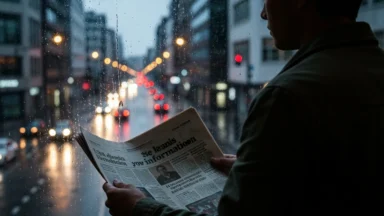
Beyond the vibrant images of Carnival and sprawling coastlines, a quieter, more profound transformation is reshaping Brazil. The nation is currently at a crossroads, navigating a complex interplay of demographic shifts, technological acceleration, and evolving social values. These undercurrents are not just altering statistics on a page; they are fundamentally changing how Brazilians live, work, consume, and connect with one another, creating a dynamic and often contradictory social landscape.
For decades, the world has viewed Brazil through the lens of a young, growing nation with boundless potential. the reality on the ground is now far more nuanced. A rapidly aging population is challenging long-held economic assumptions, while relentless urbanization is redrawing the country’s internal map. Simultaneously, a digital revolution has swept across the continent-sized nation, democratizing access to information and commerce while also introducing new vectors for social polarization and misinformation.
What does this new Brazil look like? This analysis moves beyond surface-level observations to provide an in-depth look at the key forces at play. We will explore the socio-economic impacts of the country’s demographic inversion, dissect how digital connectivity is rewiring everything from consumer behavior to political activism, and examine the growing momentum behind critical social justice movements. By understanding these interconnected trends, we can begin to grasp the challenges and opportunities that will define Brazil’s future.
Understanding Brazil’s Demographic Shifts and Urbanization
Brazil is often imagined as a youthful, vibrant nation, but the reality on the ground is far more complex. The country is undergoing a profound demographic transformation, driven by two powerful forces: a rapidly aging population and relentless urbanization. These aren’t abstract concepts; they are actively reshaping family structures, the economy, and the very look and feel of Brazilian cities. This is a quiet revolution.
Understanding these shifts is key to grasping the country’s future. The data paints a clear picture of a nation maturing at an accelerated pace, moving away from its rural past and confronting the challenges of a more metropolitan existence. How Brazil navigates these changes will define its social fabric for generations.
The Aging Population and Its Socio-Economic Impacts
One of the most significant trends is the graying of the population. The 2022 census from the Brazilian Institute of Geography and Statistics (IBGE) revealed a startling jump in the median age to 35, a sharp increase from 29 in 2010. This isn’t just a number; it signals a underlying restructuring of society. A smaller workforce is now tasked with supporting a growing number of retirees, placing immense pressure on public systems like social security (INSS) and the unified health system (SUS).
This demographic inversion creates new economic realities. For decades, Brazil benefited from a “demographic bonus” with a large, young workforce. But what happens when that bonus runs out? The country must now pivot to a productivity-driven economy, a difficult task requiring massive investments in education and technology. It’s like a household budget that has to adjust when the primary earners retire — the spending habits must change completely. For those wanting to make sense of these complex national adjustments, mastering current events for deeper understanding is more important than ever.
This change also impacts families directly. With fewer children and longer life expectancies, the traditional multi-generational household is evolving, creating new demands for elder care and senior housing (a market still in its infancy in Brazil).
Internal Migration and Metropolitan Expansion
Alongside the aging trend, Brazil’s urbanization continues, but with a twist. While the classic rural-to-urban exodus has slowed, a new migration pattern has emerged: the movement from megacities like São Paulo and Rio de Janeiro to mid-sized urban centers. The World Bank confirms that approximately 87.6% of Brazilians now live in urban areas, but the quality of that urban life is what’s driving people to move.
Cities like Florianópolis, Campinas, and Sorocaba are experiencing significant growth. They offer a compelling compromise: the economic opportunities of a city without the crushing cost of living, high crime rates, and logistical headaches of a metropolis. Dr. Ana Oliveira, a sociologist at the University of São Paulo, suggests this is a search for “sustainable urbanism,” where residents prioritize quality of life over the prestige of a big-city address.
This internal reshuffling isn’t without its own issues. The rapid growth of these secondary cities strains their infrastructure, from public transport to sanitation, creating a new set of challenges for local governments. Navigating these common pitfalls in Brazil’s social currents demands careful planning to avoid repeating the mistakes made by the larger metropolitan areas decades ago.
The Digital Revolution: Connectivity and Social Transformation
As more Brazilians cluster in urban centers, another profound change is happening in parallel: the rapid expansion of digital access. This isn’t just about faster downloads; it’s a basic rewiring of social and economic life. Internet connectivity has become the new utility, as primary as electricity or water, and its spread is creating both immense opportunities and complex challenges. It’s a massive shift.
The numbers speak for themselves. According to data from the Brazilian Internet Steering Committee (CGI.br), internet usage has reached over 84% of the population, a figure that was unthinkable just a decade ago. This explosion in connectivity has fueled a surge in e-commerce, remote work, and digital banking, bringing services to millions who were previously underserved. The underrated factor here is how this access to information provides new ways for citizens to engage with the world, challenging old power structures and allowing for deeper understanding of complex topics beyond traditional media.
Of course, this transformation is most visible on social media. Platforms like WhatsApp, Instagram, and TikTok are central to modern Brazilian life — for everything from family group chats to organizing nationwide protests. This digital mobilization can be a powerful tool for social change. But what happens when these same platforms amplify misinformation? It creates a hyper-polarized environment, a clear example of the unseen biases that shape public opinion and a key component of navigating the country’s social currents.
The conversation is no longer just about getting people online. Now, the focus is shifting to digital literacy and managing the societal impacts of a population that is permanently connected.
This is a search for ‘sustainable urbanism,’ where residents prioritize quality of life over the prestige of a big-city address.
— Dr. Ana Oliveira, Sociologist, University of São Paulo
| Core Trend | Primary Driver(s) | Key Societal Impact |
|---|---|---|
| Demographic Aging | Falling birth rates & increased life expectancy | Increased pressure on social security and healthcare systems; shift in economic focus from labor to productivity. |
| Urban Reshuffling | Search for better quality of life & lower cost of living | Growth of mid-sized cities, straining local infrastructure and creating new urban development challenges. |
| Digital Integration | Expanded internet access & mobile technology (e.g., PIX) | Democratization of commerce and information, but also rising digital inequality and misinformation. |
| Conscious Consumerism | Greater access to information & rising social awareness | Brands face pressure for ethical and environmental transparency; sustainability becomes a market differentiator. |
| Social Justice Momentum | Digital organizing tools & heightened public awareness | Increased visibility for racial, LGBTQ+, and indigenous rights, creating pressure for systemic policy changes. |
Emerging Consumer Behaviors and Economic Resilience
Brazil’s economic landscape is a complex dance of formal structures and informal creativity, and this directly shapes how people spend their money. As digital access broadens, consumer habits are undergoing a significant shift, moving away from traditional models toward more conscious, digital, and decentralized patterns. It’s a fascinating evolution. The data suggests a population that is not just surviving economic ups and downs but actively adapting its behaviors to thrive within them.
This change isn’t uniform. What we’re seeing is a splintering of the traditional consumer profile into several new, dynamic categories. Understanding these shifts is key to grasping the country’s current social direction, as purchasing power often reflects deeper societal values. To illustrate, here’s a quick comparison of old versus new mindsets:
| Traditional Behavior | Emerging Behavior |
|---|---|
| Brand Loyalty: Sticking to well-known, established brands. | Value-Driven Loyalty: Prioritizing brands aligned with personal ethics (sustainability, social causes). |
| Shopping Channel: Primarily physical, in-store purchases. | Omnichannel Shopping: Seamlessly blending online research, social media discovery, and physical stores. |
| Payment Method: Cash, credit card installments (parcelado). | Diverse Payments: Heavy use of PIX, digital wallets, and “buy now, pay later” services. |
| Information Source: TV advertising, word-of-mouth. | Information Source: Social media influencers, online reviews, community forums. |
Conscious Consumption and Sustainability Demands
A growing number of Brazilians are asking more from the companies they support. It’s no longer just about price and quality. A recent report by IPEC (Inteligência em Pesquisa e Consultoria) found that 68% of Brazilian consumers are willing to pay a premium for products from brands that demonstrate environmental and social responsibility. This is a massive change. People are actively researching supply chains and corporate ethics before making a purchase.
This trend forces brands to be more transparent. Greenwashing—making misleading claims about sustainability—is quickly called out on social media. Consumers are becoming adept at mastering the flow of information to verify claims. What does this mean for businesses? It means that authentic commitment to sustainability is becoming a powerful market differentiator, not just a feel-good marketing slogan.
The Growth of the Informal Economy and Gig Work
The informal economy has always been a significant part of Brazil’s economic reality, but its nature is changing. It acts as the economy’s flexible backbone, absorbing shocks and providing income when formal jobs are scarce. Dr. Sofia Mendes, an economist at the University of São Paulo, estimates that the informal sector, including gig work, currently provides a primary or secondary income for nearly 40% of the working-age population.
This isn’t just about street vendors anymore. It’s about millions of drivers for ride-sharing apps, delivery workers, freelance creatives, and social media entrepreneurs. These individuals often navigate a complex system with little to no formal safety net—a reality that presents both opportunities for autonomy and significant risks. Understanding the nuances of these social and economic currents is vital to comprehending modern Brazil.
E-commerce Boom and Digital Payment Adoption
The pandemic certainly accelerated the move to online shopping, but the trend has shown incredible staying power. According to the Brazilian Electronic Commerce Association (ABComm), online retail sales have maintained double-digit growth, solidifying habits formed during periods of social distancing. Platforms like Mercado Livre, Magazine Luiza, and Amazon Brazil are now household names, integrated into daily life.
A huge part of this story is the adoption of PIX, the instant payment system created by Brazil’s Central Bank. It has been a major shift. Its ease of use and lack of fees have made digital transactions accessible to millions who were previously unbanked or reliant on cash. This single piece of financial technology has done more to formalize small transactions than years of policy initiatives. It’s remarkable.
Impact on Small Businesses
For small and medium-sized businesses (SMBs), this digital wave has been a double-edged sword. On one hand, it has lowered the barrier to entry, allowing a small artisan in Bahia to sell their products to a customer in São Paulo via Instagram. The rise of digital marketplaces provides historic reach.
It has intensified competition and demanded new skills. Suddenly, a local bakery isn’t just competing with the shop down the street but with online-only dessert delivery services. Mastering digital marketing, logistics, and customer service online is now primary for survival. This rapid pivot is a core theme in Brazil’s current technological transformation, creating a new class of digitally-savvy entrepreneurs while leaving others behind.
Social Justice and Identity Movements Gaining Momentum
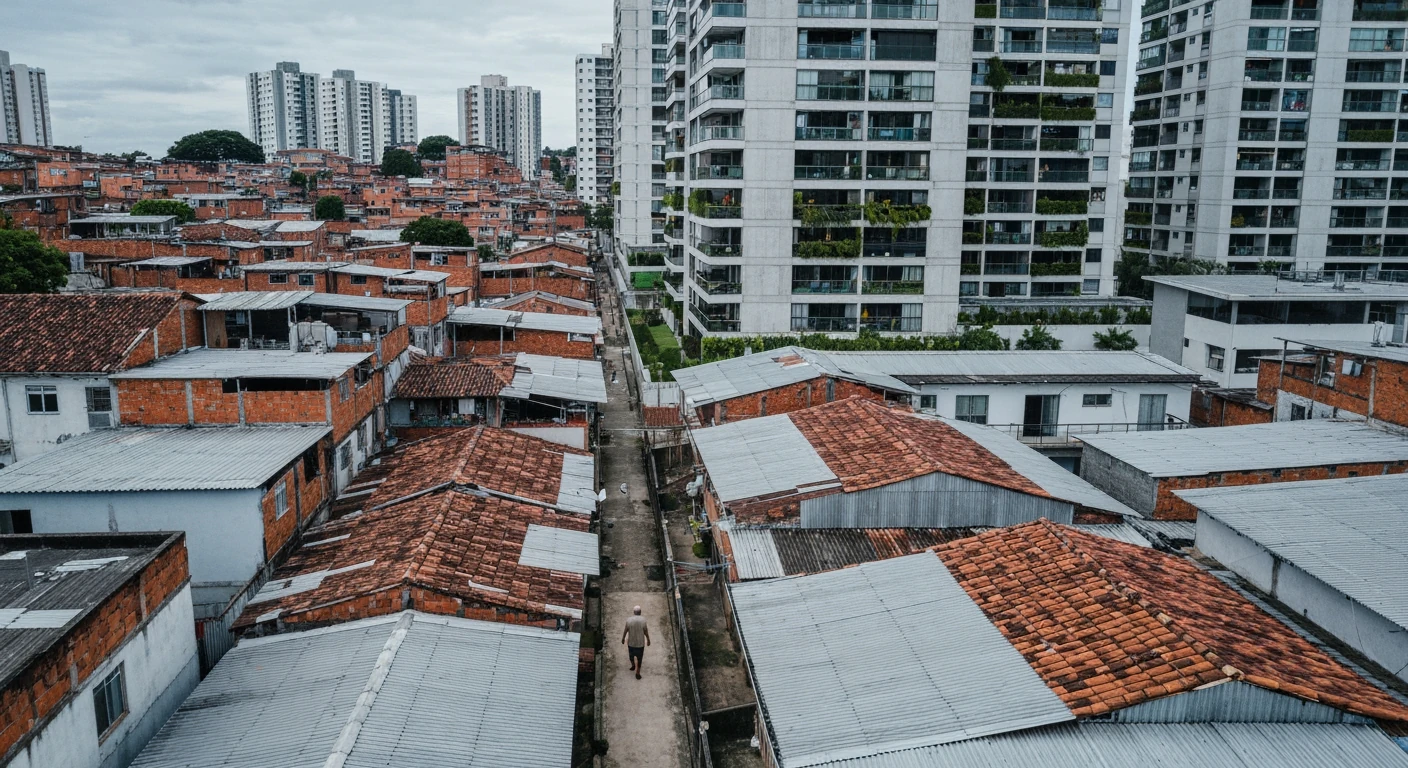
The conversation around social justice in Brazil has shifted from the background to the main stage. Activist groups advocating for racial equality, LGBTQ+ rights, and the protection of indigenous territories are achieving extraordinary visibility. This isn’t just happening in academic circles; it’s a nationwide dialogue fueled by social media campaigns and grassroots organization. It’s a profound shift.
What most people miss is how digital platforms have become the primary organizing tool. For instance, campaigns against racial injustice often go viral, forcing public figures and corporations to respond. A survey by the Brazilian Forum on Public Safety indicated that reports of racial injury online increased by over 32% in a recent period, showing a population more willing to call out discrimination. This digital-first approach allows movements to bypass traditional media gatekeepers, a phenomenon that can sometimes lead to unseen biases in how stories are framed for the public.
Similarly, the fight for LGBTQ+ rights has seen significant legislative pushes, with debates over marriage equality and anti-discrimination laws becoming central political topics. The pressure is building. Think of it less like a sudden explosion and more like a steady, rising hum that has become too loud to ignore. Understanding these complex social currents is required for anyone trying to grasp the country’s direction.
These movements are also increasingly interconnected, with environmental activists frequently collaborating with indigenous rights groups to protect the Amazon. This alliance-building creates a more powerful and unified front. The challenge now is translating this heightened public awareness into lasting, concrete policy changes that address systemic inequalities.
The Future Outlook: Challenges and Opportunities for Brazilian Society
Brazil’s social landscape is a complex interplay of forward momentum and historical friction. The trends discussed—from digital integration to a rising tide of social activism—are not isolated events but interconnected threads shaping the nation’s future. Looking ahead, the path is defined by a series of critical junctures where immense challenges are directly paired with significant opportunities for growth and renewal.
Addressing Persistent Inequalities
The most enduring challenge remains the profound social and economic inequality woven into the country’s fabric. According to data from the World Inequality Database, the top 10% of earners in Brazil capture nearly 59% of the total national income, a figure that starkly illustrates the divide. This gap isn’t just about money; it’s about disparate access to quality healthcare, education, and even basic security. It is the root system from which many other social issues grow.
While the recent surge in social movements has brought these issues to the forefront, the core question remains. Can this newfound public pressure translate into sustainable policy changes? The opportunity lies in leveraging this civic energy to push for meaningful reforms in taxation, education funding, and social welfare programs. Success requires moving beyond protest and into the difficult, often tedious work of institutional reform—a process that demands both patience and persistence.
Environmental Stewardship and Sustainable Development
As the guardian of the largest portion of the Amazon rainforest, Brazil holds a unique and weighty global responsibility. The central conflict here is the perceived choice between economic development and environmental preservation. Traditional sectors like agribusiness and mining, while vital to the economy, often come at a high ecological cost. Data from IBGE consistently shows that agricultural expansion is a primary driver of deforestation.
This is not an unsolvable problem.
The real opportunity is to reframe the entire conversation, moving away from an “either/or” mentality. Investing in the bioeconomy, promoting sustainable agriculture, and developing eco-tourism can create economic value that is directly tied to conservation. This approach treats the country’s immense biodiversity not as an obstacle to progress but as its most valuable economic asset for the coming century. The challenge is making this sustainable path more profitable and accessible than the destructive one.
Technological Advancements and Workforce Adaptation
Brazil has embraced technology with remarkable speed, becoming a leader in areas like fintech and digital payments. This rapid digitalization is a powerful engine for economic growth and efficiency. Yet, this progress also casts a long shadow: a widening skills gap. A significant portion of the workforce lacks the digital literacy and technical training required for the jobs of the new economy. Handing someone a powerful smartphone is easy; teaching them to build the app that runs on it is another matter entirely.
It’s a bit like upgrading an entire city’s transportation to high-speed trains while a large part of the population has only ever known how to ride a bicycle. The potential for progress is enormous, but without a concerted effort to upskill the workforce, many will simply be left behind at the station. This is where Brazil’s tech boom meets its most human challenge.
Education and Retraining Initiatives
The most direct response to the skills gap is a profound overhaul of education and vocational training. This involves more than just adding computer classes to school curricula. What many analysts miss is the sheer scale of the adult retraining required. Public-private partnerships are primary, with companies collaborating with institutions like the SENAI system to develop programs that teach relevant, in-demand skills—from coding and data analysis to advanced manufacturing.
The success of these initiatives will determine whether technology becomes a tool for broad prosperity or simply another driver of inequality. A population that is equipped for the future can turn technological disruption into a widespread opportunity.
Strengthening Democratic Institutions
Underpinning all these potential futures is the health of Brazil’s democratic institutions. In an era of high political polarization and rampant misinformation, maintaining trust in the judiciary, the press, and the electoral process is a constant struggle. The frequent spread of falsehoods makes it difficult for citizens to have a shared set of facts, which is a prerequisite for any productive national conversation. Learning to spot these narratives is a key skill for modern citizenship, and many are working on unmasking media influence to help.
The opportunity here lies in civic engagement and the demand for transparency. A vibrant civil society, an independent press, and engaged citizens are the most effective bulwarks against democratic erosion. By actively participating and mastering current events for deeper understanding, Brazilians can hold their institutions accountable and ensure they serve the entire population, not just narrow interests. The resilience of these institutions will ultimately decide the country’s capacity to navigate the other challenges it faces.
For those watching Brazil’s evolution, several key indicators will signal its direction. Keeping an eye on these areas can provide a clearer picture of the nation’s trajectory.
- Income Redistribution Metrics: Changes in the Gini coefficient and the income share of the bottom 50%.
- Environmental Policy Shifts: The balance between agribusiness expansion and enforcement of conservation laws, particularly in the Amazon.
- Workforce Training Enrollment: The uptake and success rates of large-scale public and private retraining programs.
- Judicial and Press Independence: The ability of courts and media outlets to operate without political interference.
- Digital Inclusion Rates: Progress in providing affordable, high-quality internet access and digital literacy training to underserved communities.
Choosing the Future: From Connectivity to Cohesion
As Brazil charts its course forward, the central question is no longer about adoption but about application. The nation has proven its capacity for rapid, widespread change, embracing digital payment systems and online activism with remarkable speed. The challenge now shifts from building connected infrastructure to fostering a more cohesive society. Will the same digital tools that have empowered small businesses and given voice to marginalized communities be harnessed to bridge the country’s profound economic and social divides, or will they serve to deepen them?
The future of Brazil’s social fabric is not a predetermined outcome written in demographic charts or economic forecasts. Instead, it will be forged in the ongoing tension between its innovative, adaptive spirit and the weight of its historical inequalities. The path forward demands a conscious choice: to leverage this moment of intense transformation to build a more equitable and sustainable society for the next generation.
Frequently Asked Questions
How is Brazil’s youth population changing over time?
Brazil’s youth population is shrinking as the country undergoes a significant demographic shift. The median age rose from 29 in 2010 to 35 in 2022, indicating a rapidly aging populace. This trend means a smaller young workforce is left to support a growing number of retirees, placing significant strain on public systems like social security and healthcare.
What role do social media platforms play in Brazilian political discourse?
Social media platforms like WhatsApp, Instagram, and TikTok are central to political life in Brazil. They serve as powerful tools for grassroots organizing, enabling social movements and protests to gain nationwide traction. these same platforms are also major conduits for misinformation, which contributes to a hyper-polarized political environment.
Are there specific regions in Brazil experiencing faster social change?
Yes, mid-sized urban centers are experiencing the fastest social change. Cities like Florianópolis, Campinas, and Sorocaba are growing rapidly as people migrate away from megacities like São Paulo in search of a better quality of life. This internal migration is driving rapid development but also straining the infrastructure of these secondary cities.
What are the main drivers behind Brazil’s current economic resilience?
Brazil’s economic resilience is driven by two key factors: a large, dynamic informal economy and the rapid adoption of digital technology. The informal sector, including gig work, provides an income buffer for nearly 40% of the working population. the widespread use of e-commerce and the PIX instant payment system has unlocked new economic activity and financial inclusion for millions.
How do current social trends in Brazil compare to other Latin American countries?
While many Latin American nations share trends like urbanization and digital growth, Brazil’s situation is unique in its scale and speed. The rapid transition from a ‘demographic bonus’ to an aging society is particularly pronounced. the near-universal adoption of specific technologies like the PIX payment system has transformed its economy in ways not yet seen elsewhere in the region.